


Indoor air can become stale or irritating even in a home that appears clean. Dust, pet hair, cooking particles, outdoor pollution and fine material from fabrics all circulate through rooms, often remaining invisible until they trigger odours, irritation or a noticeable layer of dust. Choosing an air purifier for home in Thailand can help reduce selected airborne particles, but the appliance works best when it is matched to the room and used as part of a broader approach to indoor air quality.
A purifier cannot correct every problem. It will not replace ventilation, remove the source of damp or compensate for heavy smoke entering through open windows. What it can do is continuously filter the air passing through the machine, reducing certain particles and helping the room feel fresher when the system is appropriately sized and maintained.
Room Size Is More Important Than Appliance Size
A compact purifier may look suitable for a bedroom, yet physical dimensions do not reveal how effectively it moves and filters air. The more useful measurement is how much clean air the machine can deliver within a given period.
Large living areas, high ceilings and open-plan layouts require more airflow than small enclosed rooms. Doors and walls also matter. One purifier positioned in the hallway is unlikely to clean several closed bedrooms effectively, even if the combined floor area falls within the advertised coverage.
The level of pollution should also influence the choice. A room facing a busy road or used by pets may need faster filtration than a lightly occupied space at the back of the home. During periods of poor outdoor air quality, the purifier may need to run for longer and at a higher setting.
Good Filtration Has Several Stages
Most home purifiers use more than one type of filter. A pre-filter catches larger particles such as hair and visible dust, preventing them from blocking the finer material behind it. A high-efficiency particle filter then captures much smaller airborne matter.
Some units also include activated carbon or another material intended to reduce selected odours and gases. The effectiveness of this stage depends on the amount and quality of the material. A very thin carbon layer may help with mild smells but is unlikely to handle strong or persistent sources on its own.
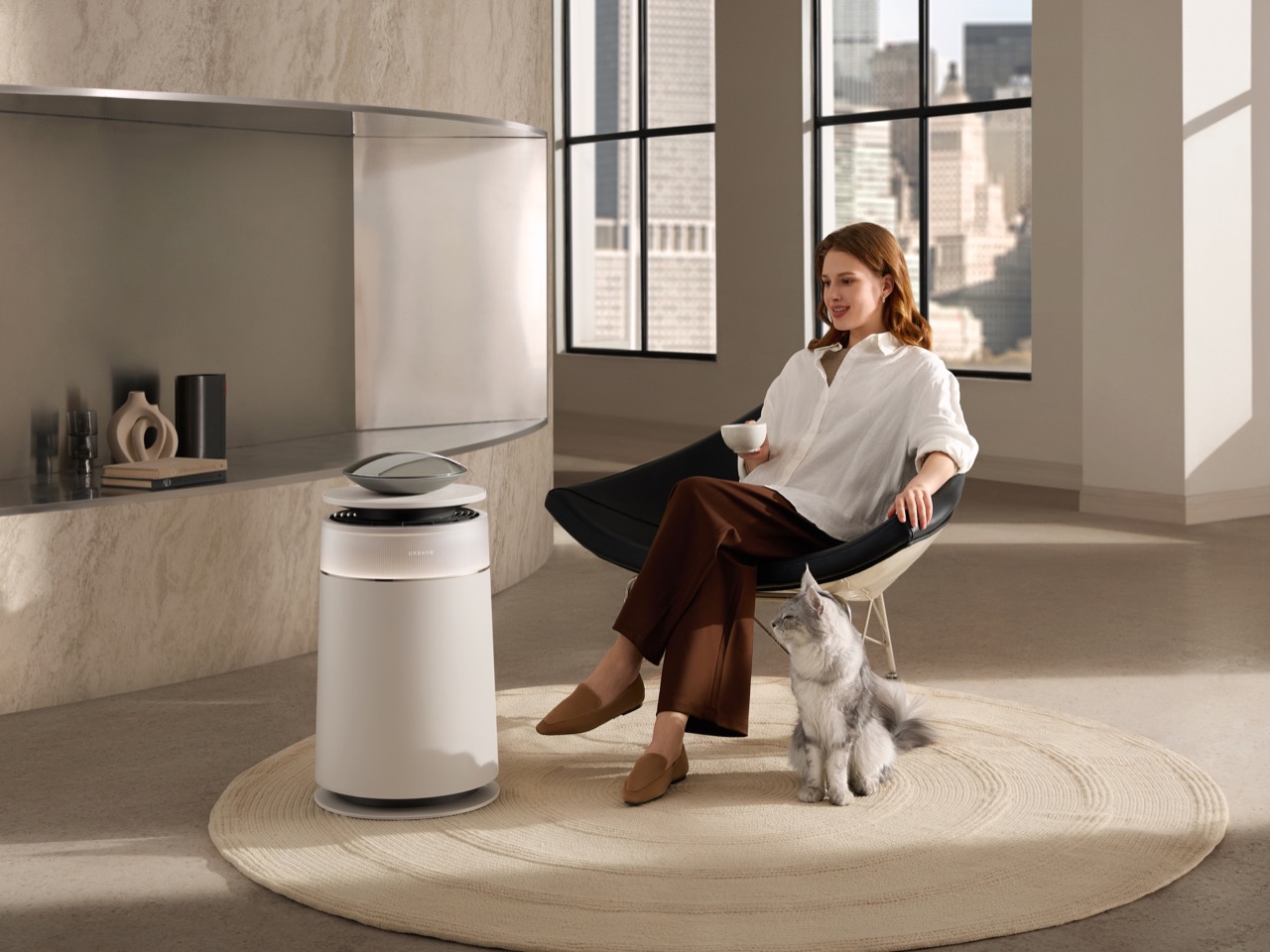
It is important to understand the limits of each filter. A purifier should not be treated as a guarantee that every pollutant, virus, chemical or allergen will be removed completely. Clear performance information is more useful than broad claims about creating perfectly pure air.
Placement Can Improve or Undermine Performance
A purifier needs space to draw in room air and release filtered air. Positioning it tightly against a wall, behind a sofa or beneath a curtain can restrict this movement.
The best location is usually within the occupied area, with enough clearance around the intake and outlet. In a bedroom, the unit should be close enough to provide useful circulation without directing a strong draft at the sleeper. In a living room, it should not be hidden in a corner simply because that is where it looks least noticeable.
Noise is another practical consideration. A machine may appear quiet on its lowest setting, but that setting may move much less air. Buyers should consider whether the sound remains acceptable at the speed required for the room.
Cleaner Air Still Begins With the Source
Filtration is most effective when obvious pollution sources are controlled. Cooking fumes should be managed with an extractor or ventilation. Damp areas need investigation and repair. Smoking indoors will quickly overwhelm many domestic systems.
Regular cleaning also reduces the amount of dust available to become airborne. Vacuuming, washing bedding and managing pet hair can work alongside filtration rather than leaving the purifier to do everything.
Filters must be replaced or cleaned as instructed. A clogged filter restricts airflow and reduces performance, even if the machine continues running.
A well-chosen purifier can make a room feel more comfortable, especially when outdoor pollution or everyday household activity affects the air. Its greatest value comes from consistent operation, sensible placement and realistic expectations about the role filtration can play.