

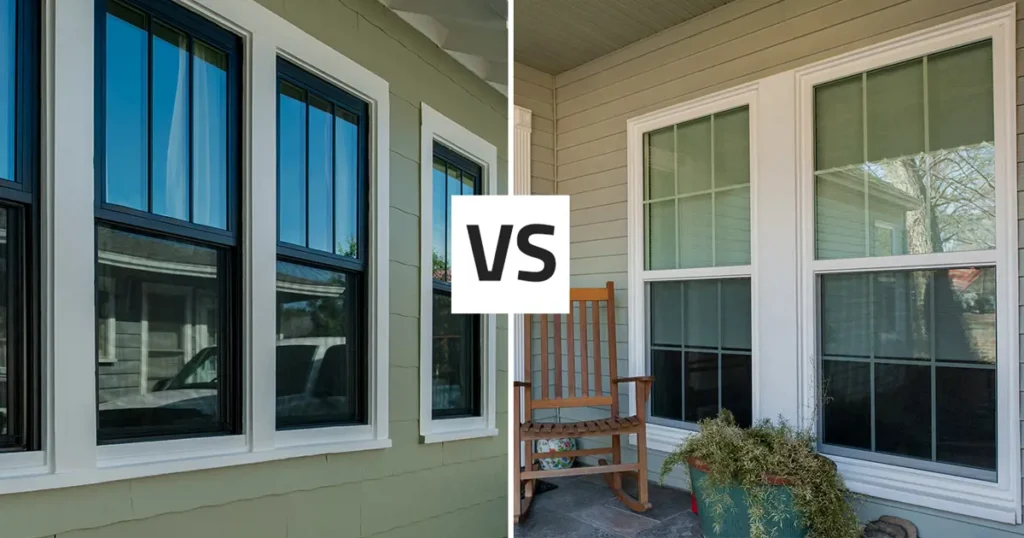
Given Pocatello’s high-desert elevation of 4,500 ft, UV exposure and temperature swings are major concerns. The climate in Southeastern Idaho includes a long heating season with freezing nights in winter and sun exposure in summer. Many properties here are decades old, which means the windows and doors don’t adhere to modern energy standards. Besides the glass, the frame needs as much attention, as it can directly affect heating costs, interior comfort, and condensation risk.
If you talk to the technicians at Nu Vu Glass – a leading installer of Pocatello windows, they will usually recommend frame materials like wood, aluminum, and vinyl. We decided to get their expert opinion on aluminum and vinyl as frame options for windows in SE Idaho, and here is an overview for your help.
Understanding the materials
Aluminum frames are characterized by very high thermal conductivity and slim profiles. Unless there are thermal breaks, heat transfer is a major problem with aluminum frames. Vinyl frames, on the other hand, are made of PVC, a material with low thermal conductivity. Multi-chambered designs of new-age frame designs trap air to provide added insulation. The material is more flexible and expands/contracts with temperature. Material behavior is more critical for performance than the brand.
Thermal Performance & Condensation
Aluminum frames conduct cold rapidly without thermal breaks, and there is a much higher heat loss during long winter nights without thermal breaks. Interior frame surfaces also become cold to the touch. Vinyl frames act as insulators, slow down heat transfer from indoors to outdoors, and maintain better interior surface temperatures. However, that doesn’t mean you should avoid aluminum entirely. Thermally broken aluminum inserts polyamide between interior and exterior metals, which helps reduce the risk of conductive heat loss and condensation.
The likelihood of condensation is considerably higher with aluminum thermal breaks. Moisture accumulation can be a problem for adjacent finishes. Vinyl frames have warmer interior surfaces that reduce condensation risk.
Solar Exposure, UV Resistance, Structural Strength, & Design
Elevated UV levels in Pocatello due to the elevated location accelerate material degradation. You can get aluminum frames with powder-coated or anodized finishes that are designed to resist UV fading. Vinyl frames can also resist UV, but unfortunately, most residents choose cheaper vinyl that eventually becomes brittle or discolors with time. Aluminum is a great choice for larger glass areas and bigger windows, and the frames are considerably thinner. Many homeowners prefer the option for modern designs and large picture windows. If you want structural rigidity, you have to select thicker vinyl frames, and for large openings, reinforcements are often a must. Depending on window size and location, installers will recommend frame options based on performance expectations.
Energy Efficiency Ratings, Expansion, & Contraction
The frame material has an impact on the overall U-Factor and condensation resistance. Vinyl frames generally achieve lower U-Factors easily compared to aluminum. Aluminum frames can also work for your home with thermal breaks, especially when matched with the right glazing. Vinyl frames expand and contract more with temperature changes, which you need to consider. If the installation isn’t done right, seal stress with time can become a problem. Aluminum is more dimensionally stable in that context, as there is less movement during temperature changes.
Which One Should You Choose?
Aluminum is a good choice if you seek modern architectural design and have large windows, while vinyl works better when one needs energy efficiency and condensation resistance. We recommend that you have a trusted installation service in Pocatello inspect your home to determine the position of your windows and recommend options accordingly. Also, make sure you choose glass varieties that align with the chosen frames.