

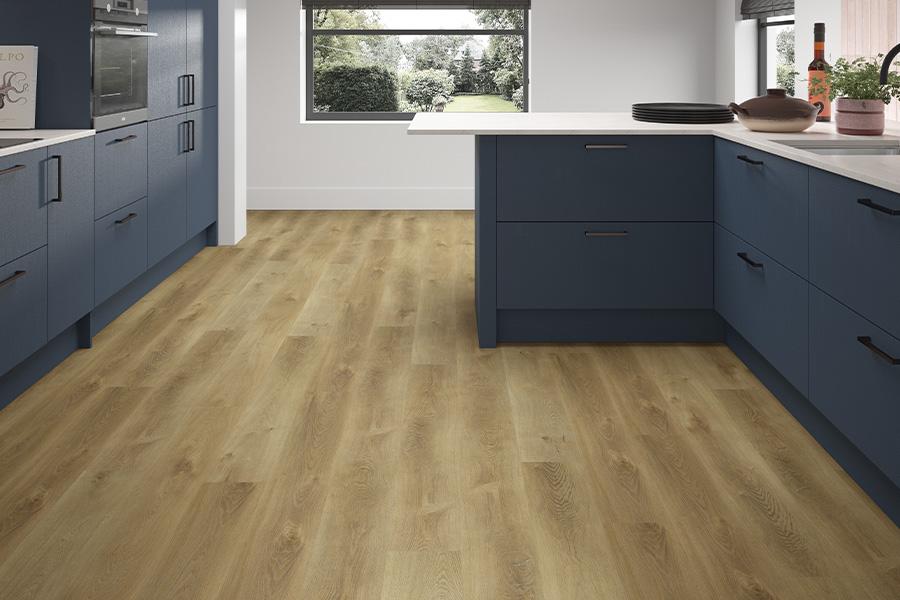
Flooring is one of the first elements buyers notice when they walk into a home. It sets the tone, influences perceived cleanliness, and plays a major role in determining whether a property feels modern or outdated. While paint colors and decor can be changed easily, flooring is a more permanent feature—making it a critical factor in resale value.
Understanding how different flooring choices affect buyer perception and market price can help homeowners make smarter renovation decisions.
Why Flooring Matters in Resale Value
Buyers often make quick judgments within seconds of entering a home. Flooring contributes heavily to that first impression.
Key reasons flooring impacts resale value:
- Visual appeal: Clean, updated floors create a polished look
- Durability perception: Buyers associate certain materials with long-term reliability
- Maintenance expectations: Low-maintenance flooring is more attractive
- Consistency: Uniform flooring throughout the home feels more spacious and cohesive
A home with worn-out or mismatched flooring can immediately signal additional costs to buyers, often reducing their willingness to pay top price.
Best Flooring Options for Increasing Home Value
1. Hardwood Flooring
Hardwood remains the gold standard when it comes to boosting resale value.
Why buyers love it:
- Timeless and elegant appearance
- Long lifespan with proper care
- Can be refinished multiple times
- Works with almost any interior style
Impact on resale:
Homes with hardwood floors often sell faster and at higher prices compared to those without.
2. Luxury Vinyl Plank (LVP)
Luxury vinyl has become a popular alternative to hardwood due to its affordability and resilience.
Advantages:
- Water-resistant or waterproof
- Scratch-resistant and durable
- Lower cost than hardwood
- Realistic wood-like appearance
Best use areas:
- Kitchens
- Basements
- High-traffic zones
3. Tile Flooring
Tile is especially valuable in moisture-prone areas.
Common types:
- Porcelain
- Ceramic
- Natural stone
Why it adds value:
- Extremely durable
- Water-resistant
- Easy to clean
Ideal locations:
- Bathrooms
- Kitchens
- Entryways
4. Engineered Wood
Engineered wood offers a middle ground between hardwood and laminate.
Benefits:
- More stable in humid environments
- Less expensive than solid hardwood
- Maintains a high-end appearance
Flooring Choices That Can Hurt Resale Value
Not all flooring options appeal to buyers. Some can actually lower your home’s perceived worth.
1. Worn-Out Carpet
Carpet can be cozy, but outdated or stained carpet is a major turnoff.
Common issues:
- Traps odors and allergens
- Shows wear quickly
- Requires replacement before move-in
2. Highly Personalized Flooring
Bold colors, unusual patterns, or niche materials may not appeal to a broad audience.
Examples:
- Bright-colored tiles
- Unique textures
- Mixed materials in the same space
3. Low-Quality Laminate
Cheap laminate flooring can look artificial and wear down quickly.
Buyer perception:
- Temporary solution
- Lower durability
- Less premium feel
Consistency vs. Variety: What Buyers Prefer
Consistency is key when it comes to flooring.
Why consistent flooring works better:
- Makes spaces feel larger
- Creates visual flow
- Reduces distractions
However, strategic variation is acceptable in functional areas like:
- Tile in bathrooms
- Durable flooring in kitchens
Cost vs. Return on Investment (ROI)
Flooring upgrades can offer a strong return, but the ROI depends on material and execution.
General ROI insights:
- Hardwood: High return, especially in living areas
- Vinyl plank: Strong ROI due to affordability and durability
- Tile: Moderate to high ROI in kitchens and bathrooms
Important tip:
Avoid over-improving beyond neighborhood standards. Luxury flooring in a modest home may not yield proportional returns.
Tips to Maximize Resale Value Through Flooring
- Choose neutral tones: Appeals to a wider audience
- Prioritize high-traffic areas: Living rooms and kitchens matter most
- Refinish instead of replace: If hardwood is salvageable
- Ensure professional installation: Poor workmanship reduces value
- Maintain cleanliness and condition: Even older floors can look appealing if well-kept
Final Thoughts
Flooring plays a foundational role in how buyers perceive a home. While trends evolve, durability, simplicity, and visual appeal remain constant priorities. Investing in the right flooring—especially in key areas—can significantly increase both buyer interest and final sale price.
FAQs
1. Does replacing flooring before selling always increase home value?
Not always. It depends on the current condition and the type of upgrade. Replacing severely worn flooring usually adds value, but unnecessary upgrades may not yield a strong return.
2. What flooring is most attractive to buyers today?
Hardwood and luxury vinyl plank are currently among the most desirable due to their durability and modern look.
3. Is carpet ever a good choice for resale?
Carpet can still be acceptable in bedrooms, but it should be new, clean, and in neutral colors.
4. How important is flooring compared to other renovations?
Flooring is one of the most impactful visual elements, often ranking just behind kitchens and bathrooms in importance.
5. Should I match flooring throughout the entire house?
Consistency is generally preferred, but functional variation (like tile in bathrooms) is acceptable and expected.
6. Can refinishing hardwood floors boost resale value?
Yes, refinishing is a cost-effective way to restore appearance and increase buyer appeal.
7. What flooring should I avoid if planning to sell soon?
Avoid highly personalized styles, low-quality materials, and anything that shows visible wear or damage.