

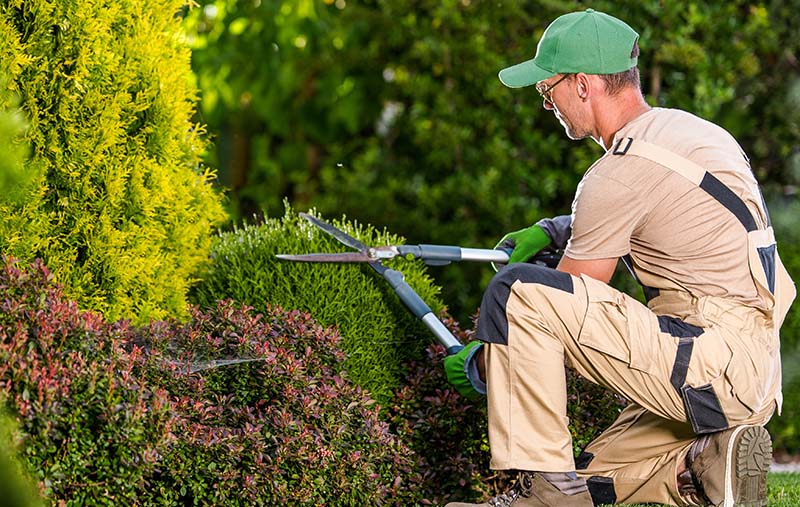
Starting a garden is exciting, but keeping it healthy and thriving requires consistent care and attention. Whether you’re growing flowers, vegetables, or a mix of both, understanding the basics of garden maintenance can make a huge difference. This guide covers practical, easy-to-follow tips to help beginners build confidence and grow a flourishing garden.
Understanding Your Garden Environment
Before diving into maintenance tasks, take time to observe your garden’s natural conditions. Every garden is unique, and success depends on working with your environment rather than against it.
Key factors to assess:
- Sunlight: Identify areas with full sun (6–8 hours), partial shade, or full shade.
- Soil type: Sandy, clay, or loamy soil affects drainage and nutrient retention.
- Water availability: Check how quickly your soil dries out after watering.
- Climate: Seasonal changes influence planting and maintenance routines.
Understanding these basics helps you choose the right plants and care strategies.
Watering Wisely
Watering seems simple, but improper watering is one of the most common beginner mistakes.
Best practices:
- Water early in the morning to reduce evaporation.
- Focus on the roots, not the leaves.
- Avoid frequent shallow watering—opt for deep watering instead.
- Check soil moisture before watering to prevent overwatering.
Tip: Stick your finger about 2 inches into the soil. If it feels dry, it’s time to water.
Soil Care and Fertilization
Healthy soil is the foundation of a thriving garden. Plants rely on soil for nutrients, water, and stability.
How to improve soil health:
- Add compost regularly to enrich nutrients.
- Use organic fertilizers for steady plant growth.
- Apply mulch to retain moisture and reduce weeds.
- Avoid compacting soil—loosen it occasionally for better aeration.
Pruning and Trimming
Pruning helps plants grow stronger and prevents disease spread.
When and how to prune:
- Remove dead, damaged, or diseased parts regularly.
- Trim plants to encourage new growth.
- Use clean, sharp tools to avoid harming the plant.
- Learn specific pruning needs for each plant type.
Weed Control Made Simple
Weeds compete with your plants for nutrients, water, and sunlight.
Effective weed management:
- Remove weeds early before they spread seeds.
- Use mulch to block sunlight and suppress growth.
- Pull weeds after watering when soil is soft.
- Stay consistent—regular maintenance prevents bigger problems.
Pest and Disease Management
Pests and diseases can quickly damage your garden if left unchecked.
Simple prevention tips:
- Inspect plants regularly for signs of trouble.
- Use natural remedies like neem oil or soap sprays.
- Encourage beneficial insects like ladybugs.
- Remove infected plants or leaves immediately.
Seasonal Maintenance Tasks
Gardening tasks change with the seasons, so staying organized is essential.
Seasonal checklist:
- Spring: Prepare soil, plant seeds, and fertilize.
- Summer: Water frequently and manage pests.
- Autumn: Remove dead plants and enrich soil.
- Winter: Protect plants from frost and plan next season.
Choosing Low-Maintenance Plants
For beginners, selecting easy-to-care-for plants can reduce stress and increase success.
Good beginner-friendly options:
- Herbs: Basil, mint, and coriander
- Flowers: Marigolds, sunflowers, and zinnias
- Vegetables: Tomatoes, spinach, and lettuce
These plants are generally resilient and forgiving of minor mistakes.
Essential Gardening Tools
Having the right tools makes maintenance easier and more efficient.
Basic tools every beginner should have:
- Hand trowel
- Pruning shears
- Watering can or hose
- Garden gloves
- Rake or hoe
Keep tools clean and stored properly to extend their lifespan.
Conclusion
Garden maintenance doesn’t have to be overwhelming. By focusing on simple habits—like proper watering, soil care, and regular निरीक्षण—you can build a healthy, vibrant garden over time. Start small, stay consistent, and learn from experience. Every season will make you a better gardener.
Frequently Asked Questions (FAQs)
1. How often should I water my garden?
Watering depends on plant type and weather, but generally 2–3 times per week with deep watering is ideal.
2. What is the easiest plant for beginners to grow?
Herbs like basil and mint are among the easiest due to their resilience and fast growth.
3. How do I know if my soil is healthy?
Healthy soil is dark, crumbly, and retains moisture without becoming waterlogged.
4. Can I garden without fertilizers?
Yes, but adding compost or organic fertilizers improves plant growth significantly.
5. What is the best time of day to water plants?
Early morning is best as it reduces evaporation and allows plants to absorb water efficiently.
6. How can I prevent pests naturally?
Use neem oil, introduce beneficial insects, and maintain plant health to reduce pest problems.
7. Is mulching really necessary?
Yes, mulch helps retain moisture, suppress weeds, and improve soil quality over time.